Missing teeth impact more than just your appearance. They affect how you eat, how you speak, and how confident you feel in everyday situations. Whether you’re missing a single tooth from an old injury or dealing with multiple missing teeth from years of dental problems, the gap in your smile can feel like a constant reminder of what’s been lost.
Dental implants have changed the way we approach tooth replacement, offering a long-term solution that looks, feels, and functions like natural teeth. At Park Smiles Dental in Orland Park, we’ve built our practice around advanced implant dentistry, combining modern technology with a thoughtful, patient-first approach.
We’re not just placing implants. We’re restoring confidence, function, and quality of life.
That level of care starts with the training behind it.
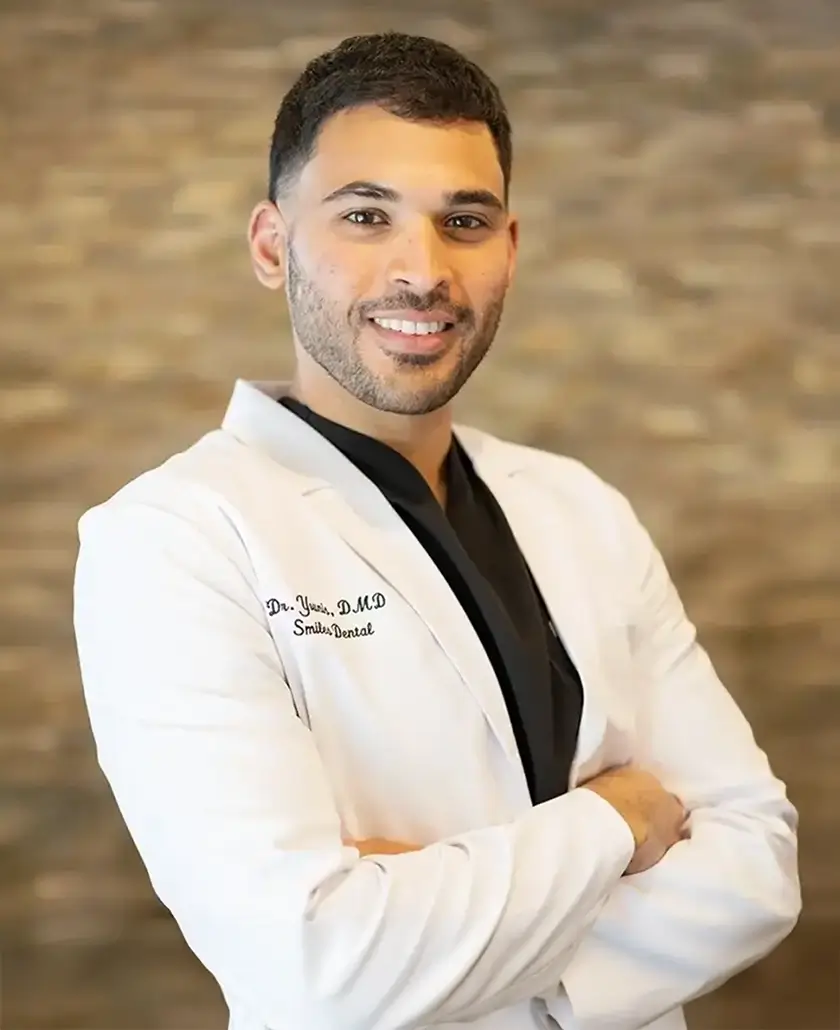
Dr. Rosaelz has spent years focused on implant dentistry, traveling across the country to learn directly from some of the most respected educators in the field. He’s currently an Associate Fellow of the American Academy of Implant Dentistry and is working toward board certification with the American Board of Oral Implantology.
What makes his approach stand out is that it doesn’t stop at surgery. Alongside his implant training, he’s completed extensive education in cosmetic dentistry and smile design through programs like Spear Education and the Kois Center. That means every case is approached with both function and aesthetics in mind.
Because placing an implant is one thing. Making it look natural and actually fit your face is another.
What Makes Dental Implants Different
Traditional options like bridges and dentures have been around for decades, and while they can work, they come with trade-offs.
Bridges often require altering healthy teeth to support the restoration. Dentures sit on top of the gums and can shift, click, or feel uncomfortable over time. Both typically need to be replaced every few years and don’t address the underlying issue of bone loss.
Dental implants take a different approach.
Instead of sitting on the surface, implants replace the entire tooth structure, including the root. A titanium post is placed into the jawbone, where it naturally fuses with the bone over time. Once healed, a custom crown is attached, creating a stable and natural-looking result.
That root replacement is what sets implants apart. It helps maintain bone structure, supports your facial shape, and keeps your jaw healthy.
On a day-to-day level, implants feel simple. You can eat what you want, speak clearly, and care for them just like natural teeth. No adhesives. No removing them at night. No second-guessing when you smile.
The Advanced Technology Behind Modern Implant Dentistry
Implant dentistry has come a long way, and technology plays a big role in the outcomes we’re able to deliver today.
At Park Smiles Dental, we use 3D imaging to get a complete view of your jaw. This allows us to see bone density, identify important structures, and plan every detail before treatment even begins.
From there, we use guided planning tools to map out implant placement with precision. That means better positioning, more predictable results, and often a smoother recovery.
We also use high-quality implant systems designed to integrate efficiently with bone and support long-term success. The materials and planning behind the scenes make a big difference in how everything performs over time.
Who Can Benefit from Dental Implants
One of the most common questions we hear is whether someone is a candidate for implants. In most cases, the answer is yes.
If you’re missing a single tooth, an implant can replace it without affecting neighboring teeth.
If you’re missing multiple teeth, implants can support bridges or partial restorations that feel far more stable than removable options.
For patients missing most or all of their teeth, solutions like All-on-4 or All-on-X can restore a full smile using a small number of strategically placed implants.
Even if you’ve been told before that implants weren’t an option, newer techniques like bone grafting have made treatment possible for many patients who were previously turned away.
Every case is different, and that’s why the first step is always a personalized evaluation.
The Dental Implant Process
Understanding what to expect during the implant process helps many patients feel more comfortable moving forward with treatment. While every case is different, most implant procedures follow a similar general timeline.
The process begins with a comprehensive evaluation. We’ll examine your mouth, review your medical history, take detailed images including 3D scans, and discuss your goals for treatment. This information allows us to create a customized treatment plan that addresses your specific needs and delivers the results you’re looking for.
If you need extractions, bone grafting, or other preparatory work, those procedures typically happen first. In some cases, we can place an implant immediately after extracting a tooth, but this depends on the condition of the bone and surrounding tissues. When bone grafting is necessary, we need to allow several months for the graft to heal and integrate before placing the implant.
The implant surgery itself is performed under local anesthesia, ensuring you’re comfortable throughout the procedure. We make a small incision in the gum tissue, create a precise opening in the bone, and place the titanium implant post. The gum tissue is then sutured closed over or around the implant, and the healing process begins.
Osseointegration, the fusion of the implant with your jawbone, takes several months. During this time, bone cells grow around the implant, anchoring it securely in place. This integration is what makes implants so stable and long-lasting. While you’re healing, we can provide a temporary restoration in many cases so you’re not left with a visible gap.
Once the implant has fully integrated, you’ll return for a second minor procedure to expose the implant and attach an abutment, a small connector piece that will hold the final crown. After your gums heal around the abutment, we take impressions and create your custom crown, designed to match the color, shape, and size of your natural teeth.
The final step is attaching the crown to the implant. We check the fit, make any necessary adjustments, and ensure your bite feels comfortable and natural. From start to finish, the complete process typically takes three to six months, though this timeline can vary based on individual healing and whether additional procedures are needed.
The Difference in Approach
Many practices focus heavily on the surgical side of implant treatment. Once the implants are placed, the job is considered done.
We take a different approach.
At Park Smiles Dental, we look at the full picture, not just how your implants function, but how your smile looks, feels, and fits you as a person. Every restoration is carefully designed to complement your facial features, not just fill space.
This is where our background in both implant surgery and smile design really matters. Instead of a one-size-fits-all result, each case is built with intention, from the shape and proportion of the teeth to how everything comes together when you smile.
We’re not rushing cases through or aiming for quick fixes. The goal is something that feels natural, looks right, and holds up long-term.
Because a successful outcome isn’t just about having teeth again. It’s about feeling like yourself again.
Advanced Surgical Techniques for Complex Cases
At Park Smiles Dental, we specialize in implant dentistry, which means we’re equipped to handle complex cases that might require referral to a specialist at other practices. Our surgical expertise and advanced technology allow us to address challenging situations and deliver successful outcomes for patients with difficult anatomy or complicated dental histories.
Bone grafting is a common procedure we perform when there isn’t sufficient bone volume to support an implant. This can happen when teeth have been missing for a long time and the bone has deteriorated, or when bone was lost due to gum disease or infection. We place bone graft material in the deficient area, which stimulates your body to generate new bone. Once the graft has healed and matured, there’s adequate foundation to place the implant securely.
Sinus lift procedures address bone loss in the upper back jaw, where the sinuses often sit very close to where upper molars used to be. By carefully lifting the sinus membrane and placing bone graft material underneath, we create the vertical bone height needed to place implants in this area. It sounds more complicated than it is, and for many patients, it makes implant treatment possible when it otherwise wouldn’t be.
Ridge expansion is another technique we use when the jawbone is too narrow to accommodate a standard-size implant. We gently expand the ridge and add bone graft material, widening the foundation so implants can be placed successfully.
For patients who need multiple teeth replaced, we often use advanced planning to coordinate bone grafting, implant placement, and restoration in the most efficient timeline possible. Strategic treatment planning can sometimes reduce the total number of appointments needed and get you to your final result faster.
Why Orland Park Residents Choose Park Smiles for Implants
Dental implant treatment is a significant investment, and choosing the right provider matters. You want someone with extensive experience, proven results, and the technology and training to handle your case with confidence.
Park Smiles Dental has built a reputation as a leader in implant dentistry throughout the Orland Park area. We’ve placed thousands of implants over the years, and our success rates reflect our commitment to excellence and our investment in advanced techniques. This isn’t a service we offer occasionally. It’s a core focus of our practice, and that specialization makes a difference in the quality of care you receive.
Our surgical team stays current on the latest advances in implant dentistry through continuing education and training. Techniques, materials, and technology evolve constantly, and we make it a priority to bring the best innovations to our patients. When you choose Park Smiles, you’re getting care that reflects the current standard of excellence in the field, not outdated methods from years past.
We also understand that cost is a consideration for most patients. Implants are more expensive upfront than bridges or dentures, but when you factor in their longevity and the fact that they don’t require replacement every few years, they’re often the most cost-effective option long-term. We’re transparent about pricing from the start, work with your insurance to maximize benefits, and offer financing options to make treatment more accessible.
Maintaining Your Dental Implants
One of the best things about dental implants is how easy they are to maintain. There are no special cleaning products, no removal at night, and no dietary restrictions once healing is complete. You care for implants the same way you care for natural teeth.
Brush twice a day with a soft-bristle toothbrush and fluoride toothpaste. Floss daily, making sure to clean around the implant crown just as you would around a natural tooth. Some patients find that a water flosser or interdental brushes work well for cleaning around implants, especially in hard-to-reach areas.
Regular dental checkups and professional cleanings are essential. We’ll examine your implants, check the surrounding gum tissue, and remove any plaque or calculus buildup that accumulates over time. These routine visits allow us to catch potential issues early and ensure your implants continue to function optimally for years to come.
With proper care, dental implants can last 20 years or longer. The crown may eventually need replacement due to normal wear, but the implant itself, once integrated into the bone, typically lasts a lifetime. This longevity is part of what makes implants such a valuable investment in your oral health.
The Impact of a Complete Smile
Beyond the technical aspects of bone integration and surgical precision, dental implants deliver something equally important: the restoration of confidence and quality of life. Patients who’ve lived with missing teeth often describe feeling self-conscious about their appearance, avoiding social situations, or limiting what they eat because of their dental condition.
We’ve seen patients regain their confidence after implant treatment, smiling freely in photos for the first time in years. We’ve watched people rediscover favorite foods they’d given up because they couldn’t chew properly. We’ve heard stories of improved professional opportunities and renewed social engagement from patients who no longer feel held back by their teeth.
These transformations are why we’re passionate about implant dentistry. The technical work is satisfying, but the real reward is seeing how our patients’ lives improve once they have a stable, functional, beautiful smile again.
Taking the First Step
If you’re considering dental implants, the best place to start is with a consultation. We’ll evaluate your situation, answer your questions, and discuss whether implants are the right solution for you. There’s no pressure and no obligation, just honest information and expert guidance to help you make an informed decision.
Even if you’ve been living with missing teeth for years, it’s not too late. Modern implant dentistry can address even complex cases, and advances in bone grafting and surgical techniques have expanded the range of patients who can benefit from this treatment.
Ready to explore advanced dental implant options in Orland Park? Reach out to Park Smiles Dental to schedule your consultation. You can call us at (708) 590-6380, email info@theparksmilesdental.com, or visit our contact page to get started. Let’s restore your smile with the precision, expertise, and advanced technology that sets Park Smiles apart.